I went to Churchill for the polar bears. I came home thinking about the planet.
There are destinations we visit because we want to see something extraordinary. Then there are places that change what we notice long after we return home.
Churchill, Manitoba, was the latter for me.
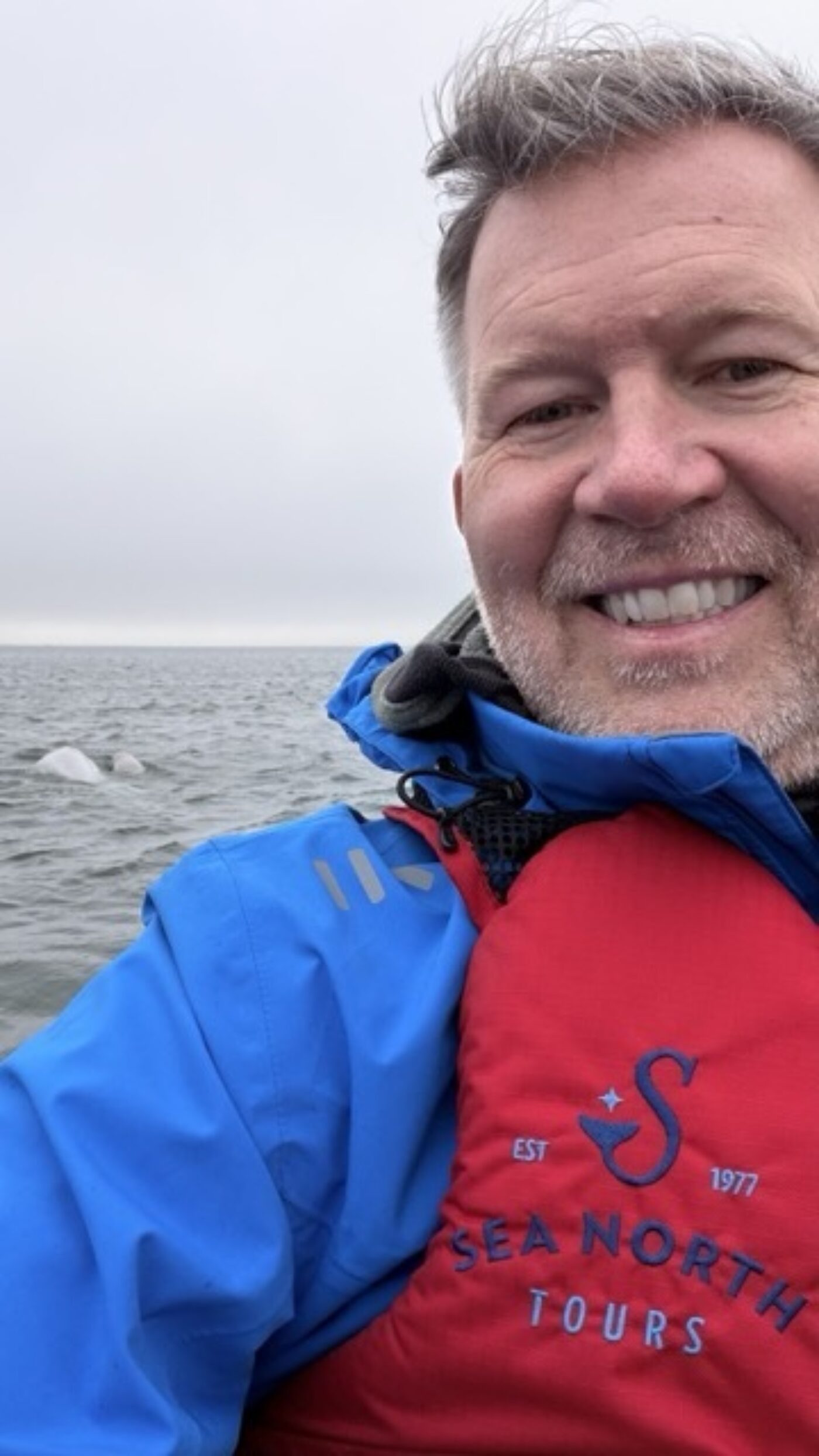
I’m Dean Nelson, an experienced travel advisor specializing in adventure travel, wildlife experiences and LGBTQ+ tourism, with a particular passion for helping travellers discover places that feel meaningful rather than simply impressive. Over the years, travel has taken me to some remarkable corners of the world, but Churchill managed to surprise me in ways I did not anticipate.
Yes, I went north dreaming about polar bears and beluga whales.
And Churchill delivered.
Imagine 500 belugas surrounding you
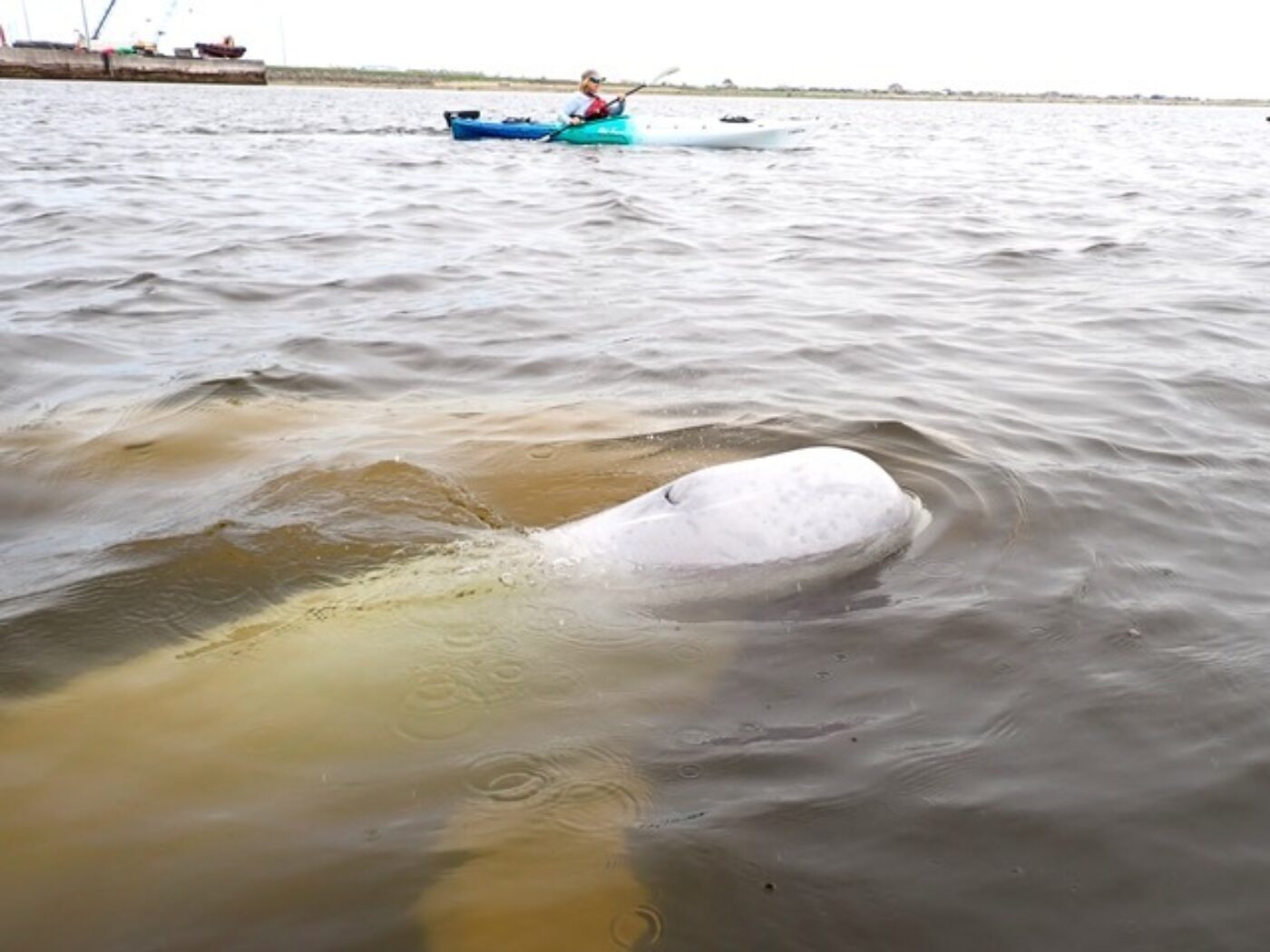
One morning on the Churchill River Estuary, we found ourselves surrounded by an estimated 500-plus beluga whales.
Mothers swam with newborn calves. Curious adults surfaced beside our Zodiac. Others followed our kayaks, appearing and disappearing through the water with an almost mischievous curiosity.
There is an enormous difference between seeing an animal in a photograph and having that animal voluntarily enter your world.
Standing beside Hudson Bay or sitting inches above the water in a kayak, wildlife stops being an abstract idea.
It becomes personal.
A few days later, Churchill had another surprise waiting.
Then came the polar bears
Summer is not Churchill’s famous peak polar-bear season, so our expectations had been carefully managed.
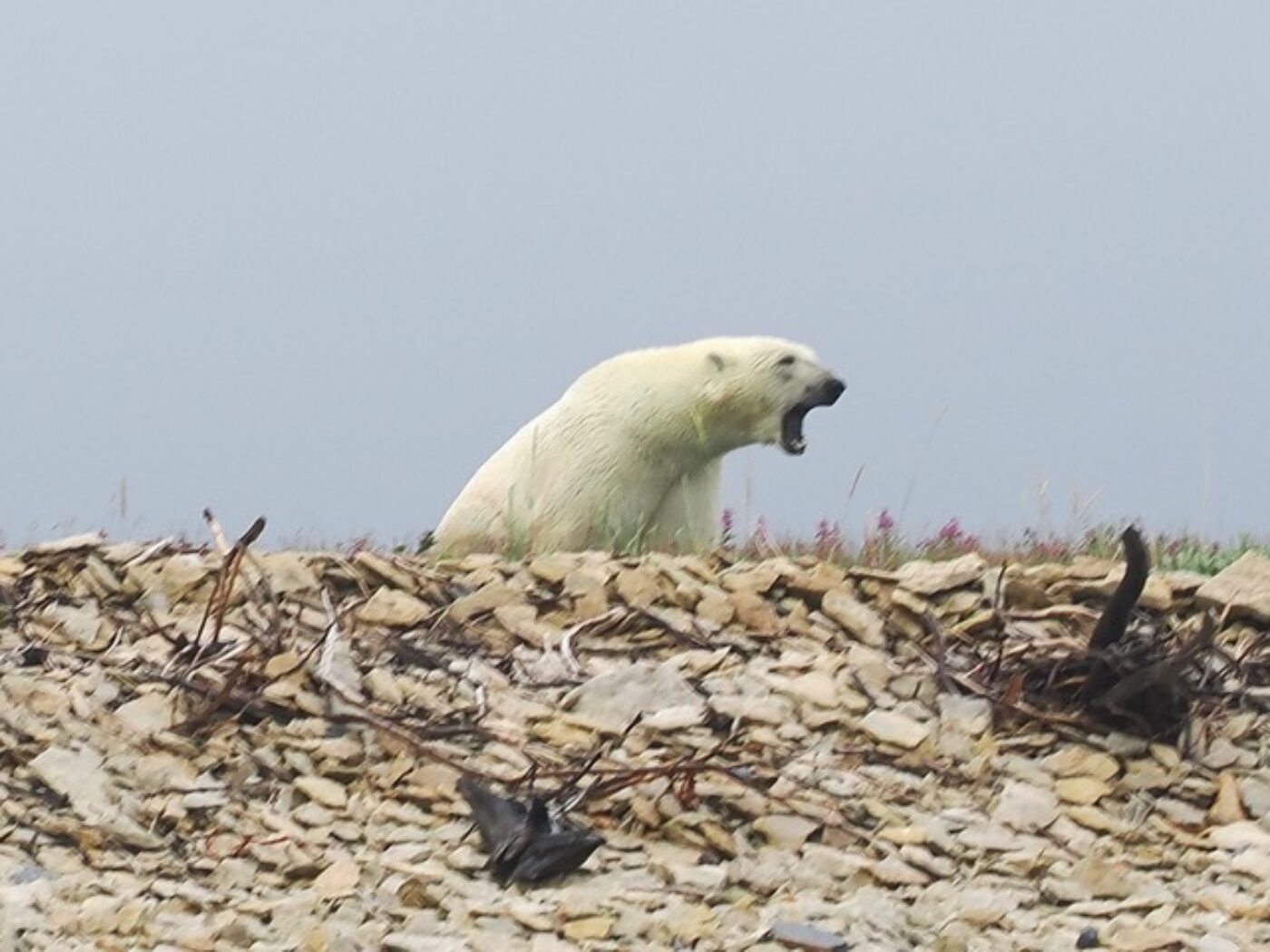
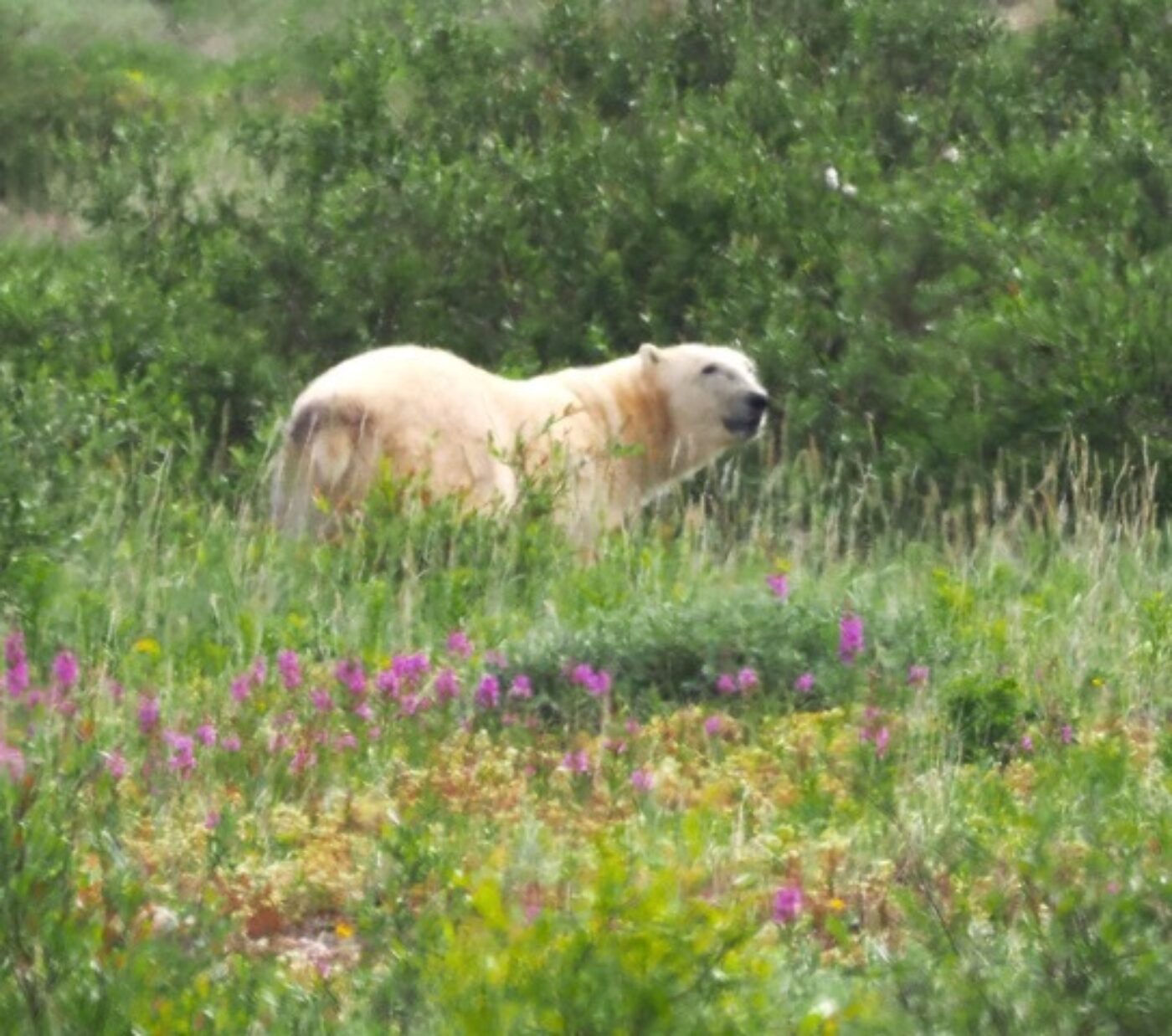
Then our Tundra Buggy rounded into an area where we encountered an extraordinary gathering of more than a dozen polar bears, including mothers and cubs.
Fourteen polar bears.
In July.
Suddenly everyone aboard went quiet.
Watching a polar bear move across the tundra without fences, walls or barriers fundamentally changes the encounter. You are no longer looking at an animal that has been placed into your environment.
You have entered theirs.
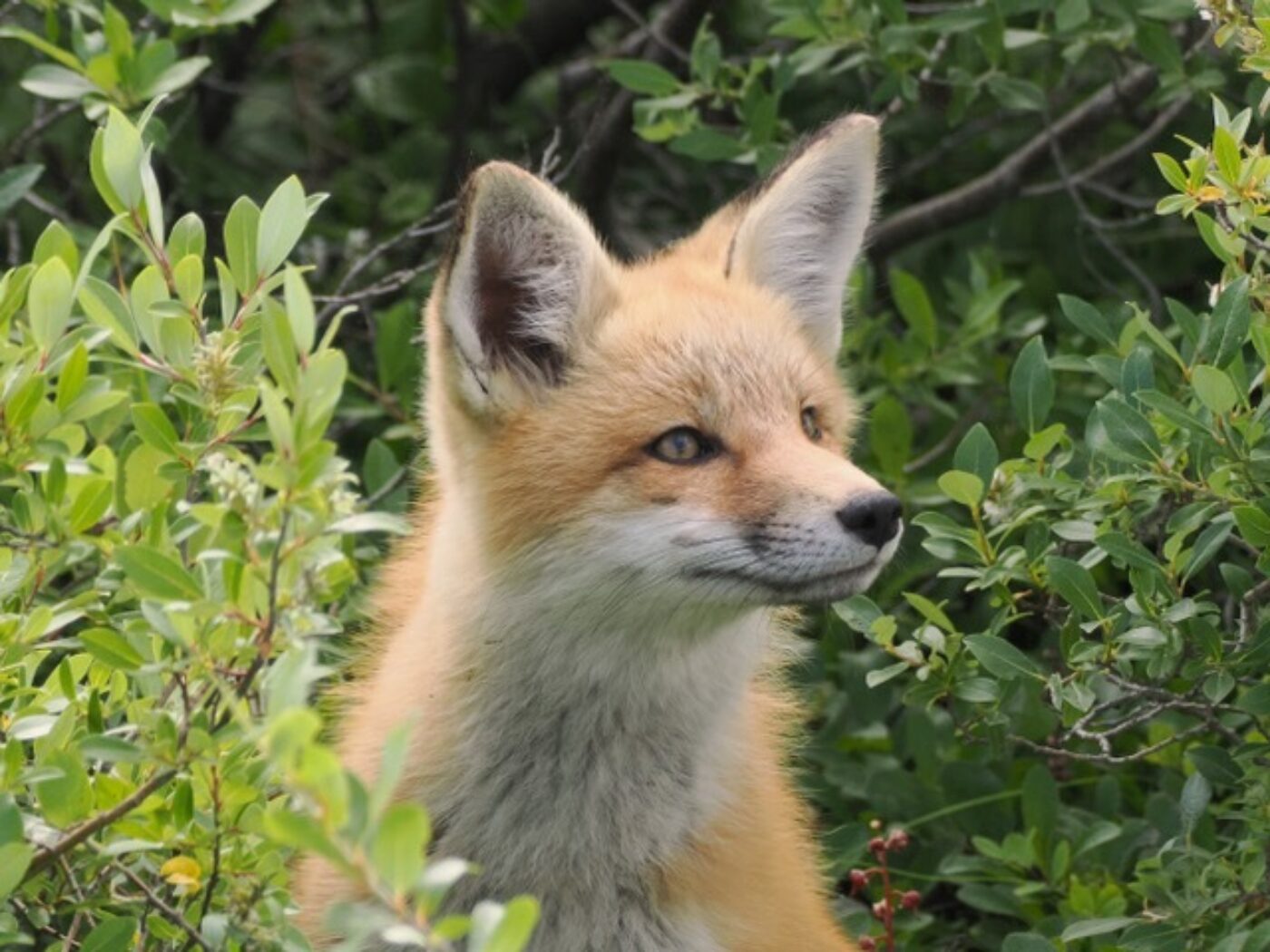
Our day continued with red foxes playing near their den, caribou crossing the tundra and an impressive parade of migratory birds overhead.
And beneath all of this were the blooms.
Fireweed, orchids, mountain avens, cottongrass and tiny plants surviving in an environment that can appear unforgiving until you look closely enough to realise how much life is actually there.
The trip became about something bigger
I travelled with Frontiers North Adventures, whose guides helped us understand that none of these experiences exist independently of one another.
Polar bears are connected to seals.
Bears and seals are connected to sea ice.
Belugas are connected to the Churchill River Estuary and Hudson Bay.
Flowers are connected to insects and birds.
Caribou are connected to the tundra.
And the people of Churchill are connected to all of it.
Our guide, Mark, was particularly gifted at joining those dots. One moment we might be talking about polar-bear biology and changing sea-ice conditions; the next we were discussing Indigenous history, Métis culture, Churchill’s murals or the challenges of living in a remote northern community.
That context transformed the trip.
Churchill stopped feeling like a wildlife-viewing destination and began feeling like an enormous outdoor classroom.
Responsible travel looks different when wildlife is your neighbour
I was also fascinated by the practical side of protecting a destination while allowing travellers to experience it.
Our Tundra Buggy was electric, dramatically reducing engine noise while we travelled across the tundra. On the water, Frontiers North’s marine partner Sea North Tours uses vessels equipped to reduce the risk of propellers injuring curious belugas.
Churchill itself operates an extensive Polar Bear Alert programme because people and bears regularly share the same geography.
This is conservation without the glossy wrapping.
It is complicated, imperfect and necessary.
And perhaps that is why Churchill affected me so strongly.
Everyone should experience a place like Churchill once
I keep thinking about what might happen if more people had the opportunity to experience nature this closely.
Would climate change feel different after watching a polar bear mother and her cubs?
Would protecting oceans feel more urgent after hearing hundreds of belugas vocalising around you?
Would preserving wild spaces seem less abstract after standing on tundra filled with flowers, birds, foxes and caribou?
I believe it would.
That is why Churchill belongs on more than a wildlife lover’s bucket list.
Go for the polar bears.
Go for the belugas.
Go for the blooms.
But travel thoughtfully, listen to the people who call Churchill home, and give yourself enough time to understand what connects them all.
Because you may arrive hoping to see some of Canada’s most extraordinary wildlife.
You may leave seeing the world a little differently.